
Quiet Time Activities for 2 and 3 Year Olds
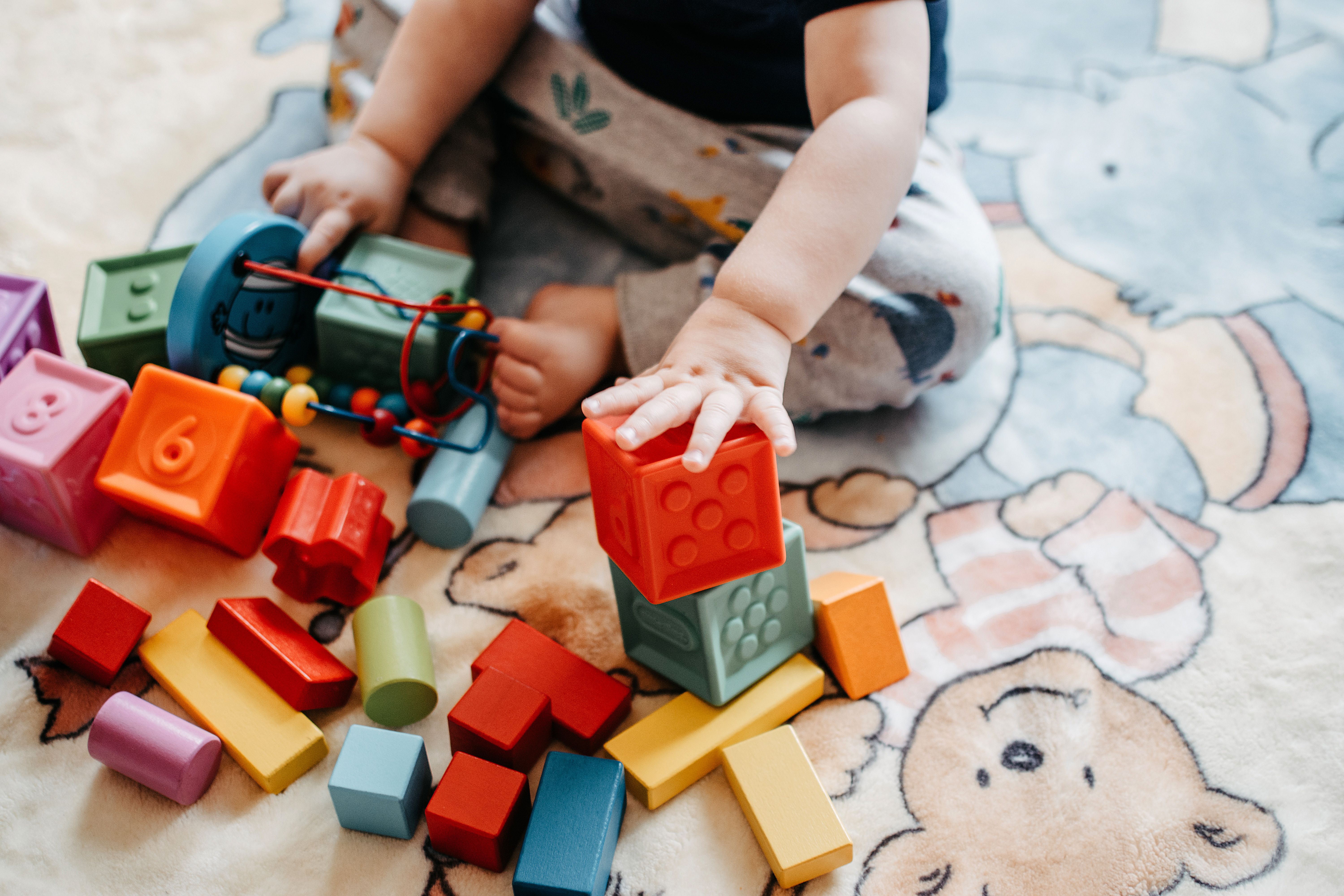
The honest answer is: not caring about the mess, and hiding the sharpies. But more seriously, the thing that actually worked was figuring out what genuinely captivated each specific kid, because for mine, it was different every time. My oldest could disappear into puzzles or books. My middle kid needed cars and tracks. My youngest wanted art, every time. Once you know what excites a particular kid, quiet play stops being a fight.
For activities all three could do together, giving each kid an actual job made the difference. Building a Thomas the Tank Engine track works so much better with assigned roles. You’re in charge of the bridges, you’re in charge of the trains, you’re in charge of scenery and observers – which meant setting up the stuffed animals because they wanted to watch the train too. Fort building works the same way. Give the fort a purpose and hand off the materials: build a fort we can watch TV from, or build a fort for a tea party, then hand over three king-size flat sheets or a stack of blankets and step back. One caveat – the first time a three-year-old builds a fort, a parent has to be there to teach it. After that, they run with it.
The other thing that helped, once kids started dropping naps, was instituting actual “quiet time” as its own expectation: sometimes in their room, sometimes in the living room, but always solo: puzzles, books, whatever they wanted, as long as it was quiet and independent. Half the point was just getting small children to slow down and stop talking for a while. And more often than not, it turned into an actual nap anyway.
If your kid needs more structured options than “figure out what captivates them,” here’s a fuller list to try.
Sensory and discovery
- A calm-down jar: water, glitter, and a little glue in a sealed bottle to shake and watch settle
- A sensory bag: hair gel or water beads sealed in a zip-top bag (taped shut) for mess-free squishing and exploring
- A shallow bin of rice or dried beans with measuring cups and spoons for scooping
- A texture basket: a few household objects with different textures (a soft sock, a smooth spoon, a bumpy sponge) to explore by feel
Fine motor
- Tracing shapes with pipe cleaners on a printed page
- Matching lids to the right containers
- A homemade puzzle: cut a photo of a favorite toy into a few large pieces
- Color-matching bottle caps to matching dots on a page
- Peeling and re-sticking stickers on a piece of paper
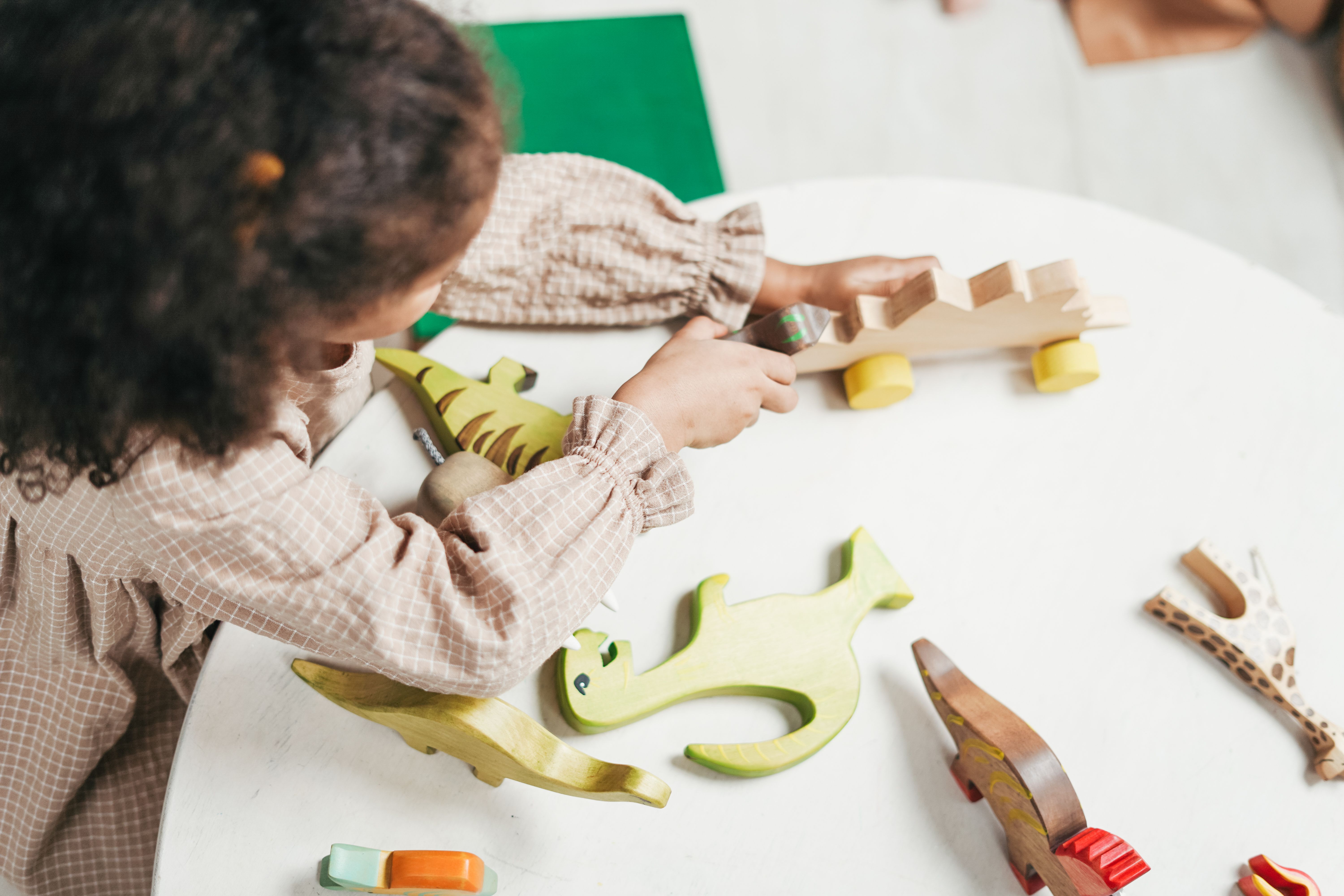
Building and imaginative play
- Duplo or large building blocks, set out in a bin
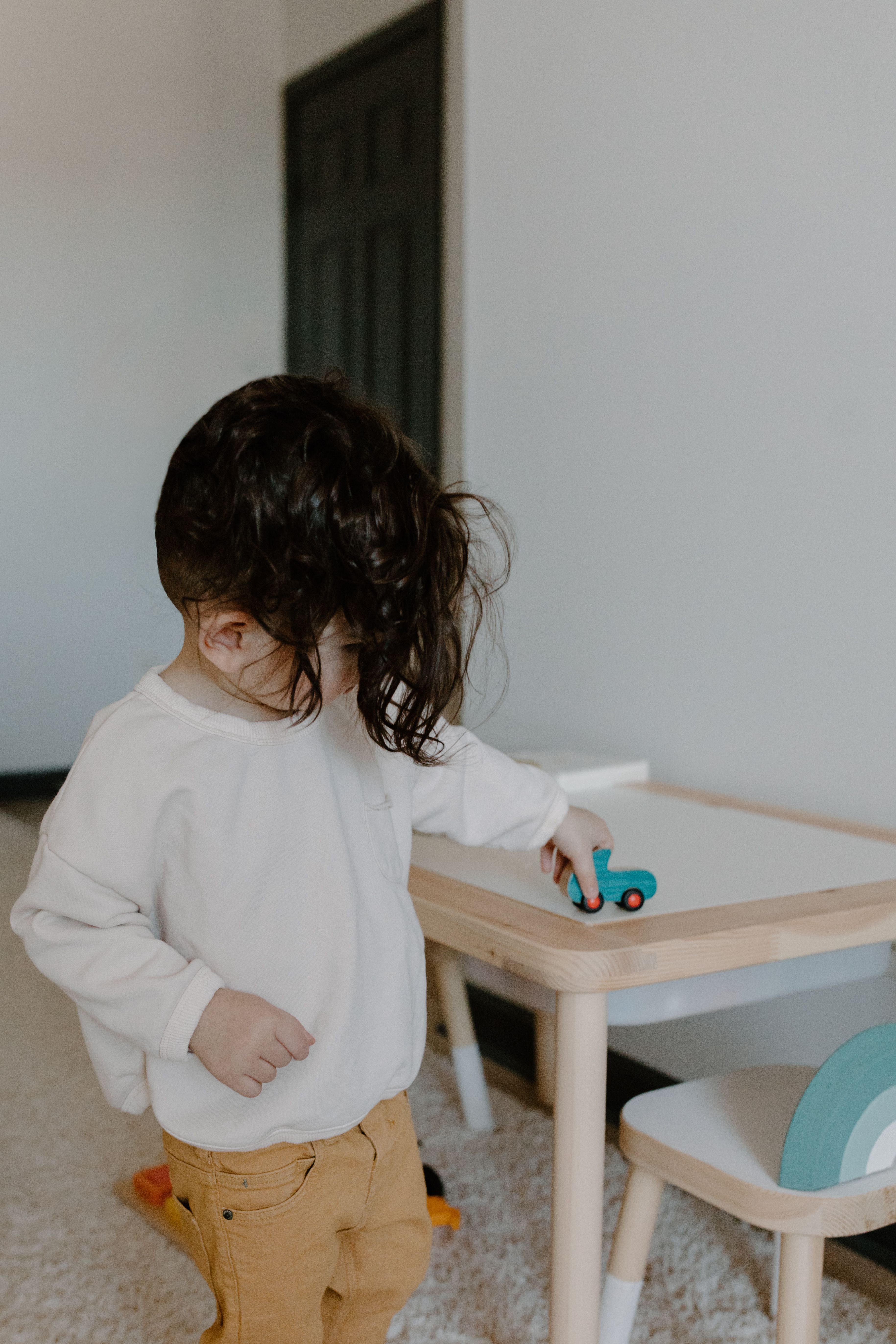
- A small basket of toy cars with a “road” drawn on paper
- Board books stacked within reach, plus a stuffed animal “audience” to read to
- A dollhouse or small figures set up in a specific scene to explore
A cozy independent-play corner
- Pillows and a soft blanket in a low-traffic corner
- A basket of a few rotating toys: not everything at once, just three or four options
- A flashlight for “reading” board books in a pretend tent
- Stuffed animals set up for a pretend tea party or nap-time lineup
Simple household busy work
- Sorting laundry by color into two baskets
- “Watering” plastic plants with an empty spray bottle
- Wiping down a low table with a damp cloth
The setup matters as much as the activity. A predictable spot, a small number of options instead of everything at once, and the same time of day each day all make it more likely your toddler settles into independent play instead of coming to find you two minutes in.
For more independent-play ideas, see the sensory bin list by age, fine motor activities using stuff you already own, and screen-free ideas for a rainy day.
Names and identifying details in this post have been changed to protect my kids’ privacy. “Annie Hart” is a pen name for the same reason.